Radon Mitigation Systems Before & After Photos
Click on a photo to enlarge.
Radon Gas Mitigation System, Durham
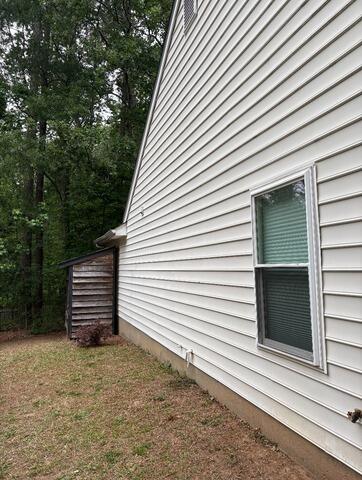
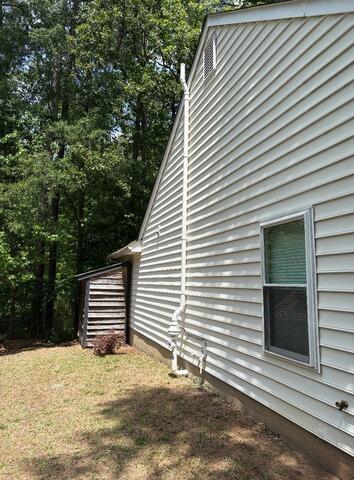
Moving into a new home comes with plenty of projects and decisions. For these Durham homeowners, one of those decisions came after discovering that their new home had an elevated radon level of 6.0 pCi/L.
They contacted Triangle Radon Defense, and we scheduled a free onsite consultation to evaluate the home and discuss their options.
Rather than recommending a system without seeing the property, we were able to inspect the home in person, determine the best mitigation approach, and explain how the finished system would work.
Once the system was installed, follow-up testing showed a dramatic improvement: radon levels dropped from 6.0 pCi/L to below 0.9 pCi/L.
Now these homeowners can enjoy their new Durham home knowing they've taken an important step toward improving the air their family breathes every day.
Sub-slab depressurization install, Apex NC
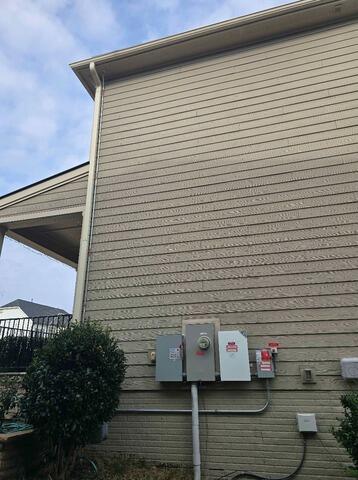
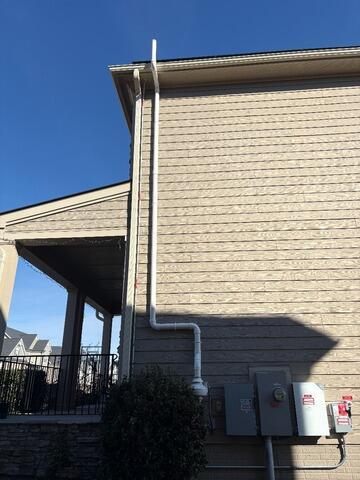
Venkat contacted us after identifying elevated radon levels in his home and requested mitigation options with transparent pricing. After a thorough assessment, we designed a cost-efficient soil gas mitigation system to create consistent negative pressure beneath the slab and reduce radon intrusion.
Because aesthetics was important to him, we routed the discharge piping along a corner gutter to help it blend seamlessly with the home’s exterior.
The result is a discreet, professionally installed system that significantly lowered radon levels and improved indoor air quality without compromising curb appeal.
Passive System Activation, Apex
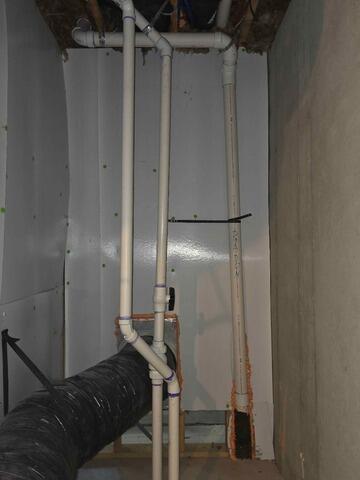
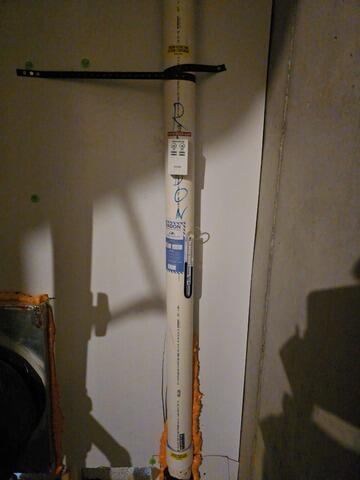
This home was pre-plumbed with a passive radon system during construction. We completed the activation by installing a high-performance radon fan, manometer, and radon system alarm, converting it into an active radon mitigation system. This upgrade helps continuously vent radon gas from beneath the home before it can enter the living space.
Activating a Passive Radon Mitigation System in Cary
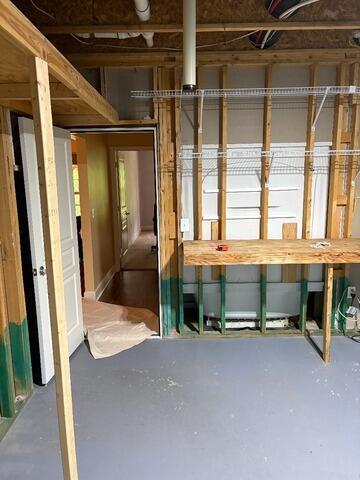
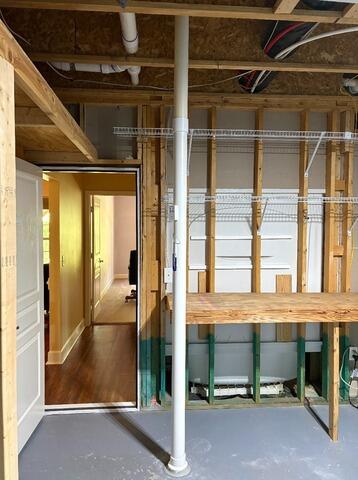
Not every home with a passive radon system is ready to be activated with the simple addition of a fan. In this project, the homeowner contacted Triangle Radon Defense after elevated radon levels were discovered. During our inspection, we found that while the home included a passive radon vent pipe, key components required for an effective mitigation system were missing.
To ensure the system would perform properly, we created a suction pit beneath the slab to improve soil gas collection, installed a radon fan to actively depressurize the foundation, and extended the vent pipe through the roof after discovering it had been terminated in the attic. These modifications allowed the system to safely vent radon gas outside the home while maximizing its effectiveness.
With the system now professionally designed and activated, the homeowner can enjoy greater peace of mind knowing their home has a radon mitigation system built to current industry standards.
Radon Mitigation System Installation
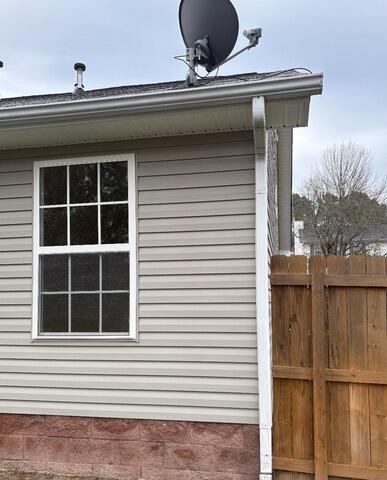
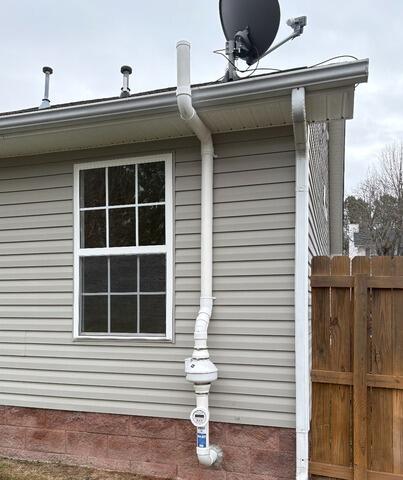
Anna was helping her father purchase a new home when elevated radon levels were discovered during the inspection, above the EPA’s action level of 4.0 pCi/L. Wanting to ensure the home would be safe before move-in, she contacted us at Triangle Radon Defense for guidance.
We walked Anna and her father through multiple mitigation design options, carefully considering both optimal air quality performance and the home’s visual appearance. After selecting the best solution for their needs, our team completed the radon mitigation installation promptly, ensuring everything was in place before move-in day.
Now, they can move forward with confidence, knowing the home’s indoor air quality is safer and healthier for years to come.
our service area
We serve the following areas
- Apex
- Bahama
- Bear Creek
- Bennett
- Bonlee
- Broadway
- Bullock
- Bunnlevel
- Butner
- Bynum
- Cameron
- Carrboro
- Cary
- Cedar Grove
- Chapel Hill
- Creedmoor
- Cumberland
- Cumnock
- Durham
- Efland
- Fayetteville
- Fort Liberty
- Fuquay Varina
- Goldston
- Gulf
- Hillsborough
- Holly Springs
- Hope Mills
- Hurdle Mills
- Kipling
- Lemon Springs
- Lillington
- Linden
- Mamers
- Moncure
- Morrisville
- New Hill
- Olivia
- Oxford
- Pittsboro
- Pope Army Airfield
- Rougemont
- Roxboro
- Sanford
- Semora
- Siler City
- Spring Lake
- Stem
- Stovall
- Timberlake